9 backend skills you absolutely need to know in 2026
Learn some of the most important things a backend developer is expected to know today.
1. REST + gRPC
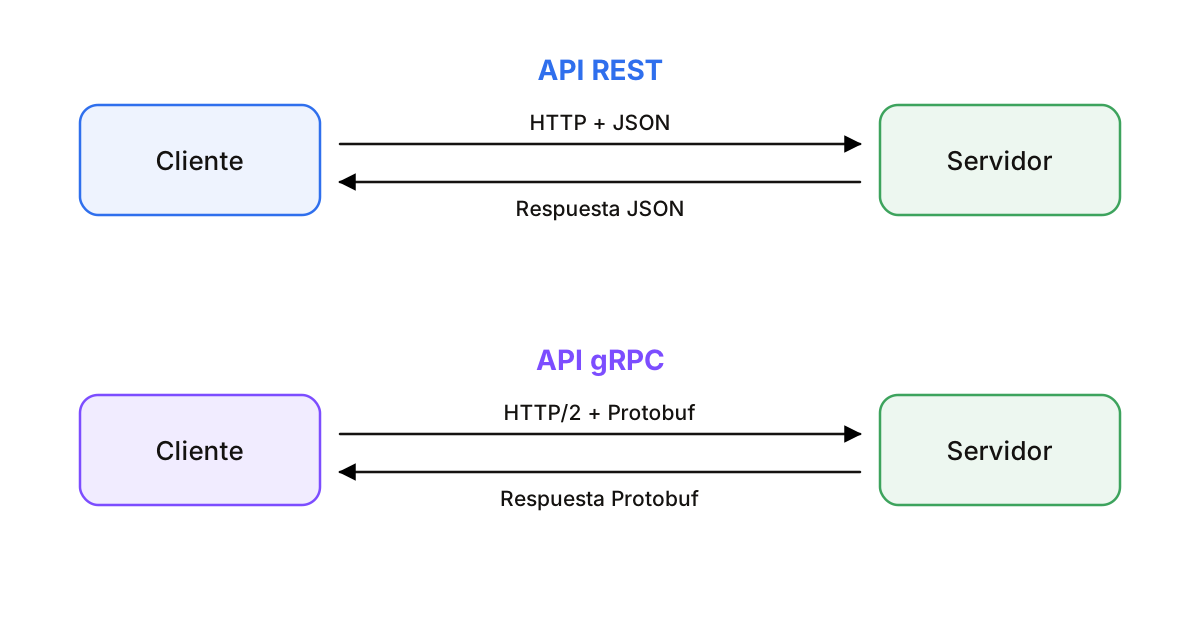
REST is the classic way two programs talk: the client asks for something over HTTP and the server answers with JSON. It powers almost everything you see on the internet and you can read it with your own eyes.
gRPC is the same idea in turbo mode: it runs on HTTP/2 and sends data as binary (Protobuf) instead of text. Smaller and faster, which is why it is used between internal services. Easy rule: REST to talk to the world, gRPC to talk between your own services.
2. Modern auth (Passkeys > JWT)
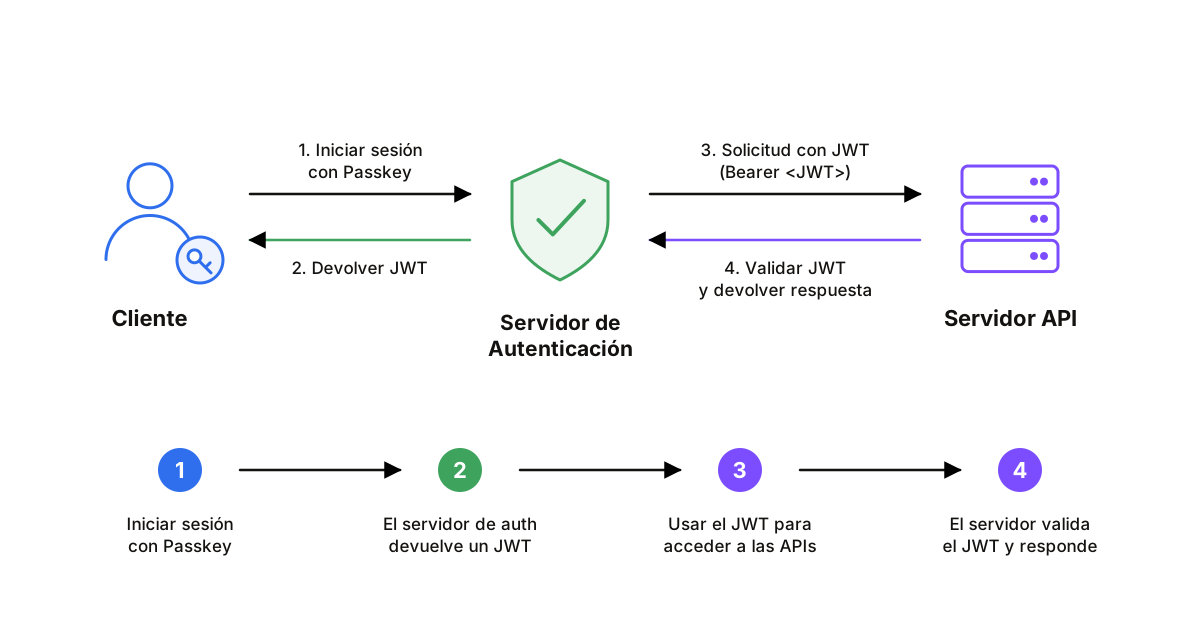
Passwords get forgotten, leaked and reused. A passkey is a key that lives on your phone or laptop and unlocks with your fingerprint or face. There is nothing to steal because there is nothing to type.
Once the user is in, the server hands them a JWT: a signed pass that says who they are and how long it is valid. They call your APIs with that pass and the APIs only check the signature, no questions asked. Passkey to get in, JWT to move around.
3. Caching patterns with Redis
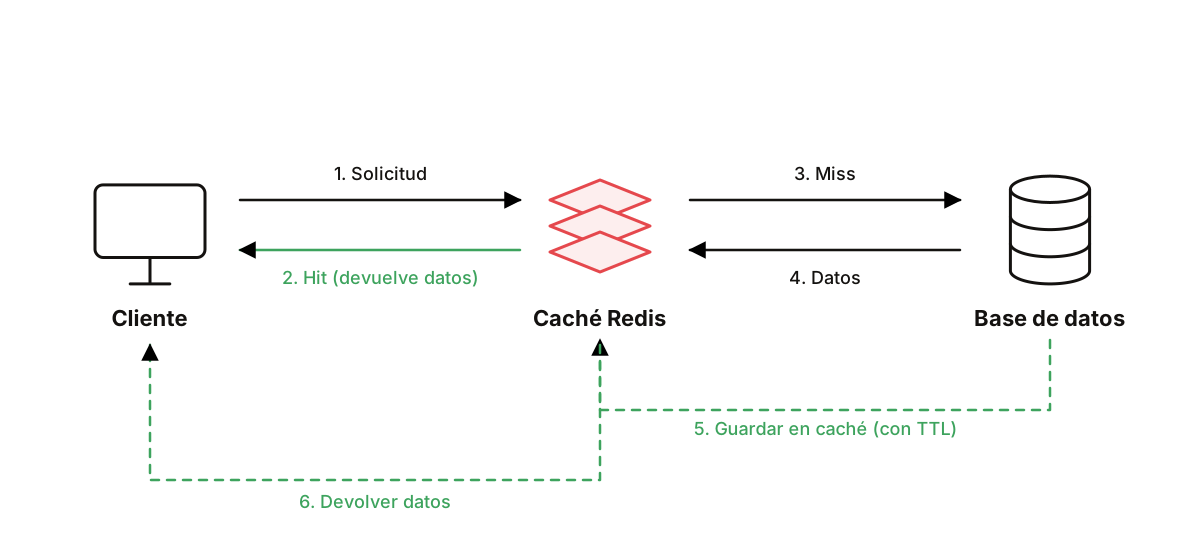
Hitting the database is slow and expensive. Redis is a lightning-fast memory where you keep whatever gets asked for most, so you do not have to compute it every time.
The most common pattern is cache-aside: check Redis first; if it is there (hit), return it; if not (miss), go to the database, store it in Redis with an expiry (TTL) and return it. Next time there is no trip to the database.
4. Mastering SQL and NoSQL
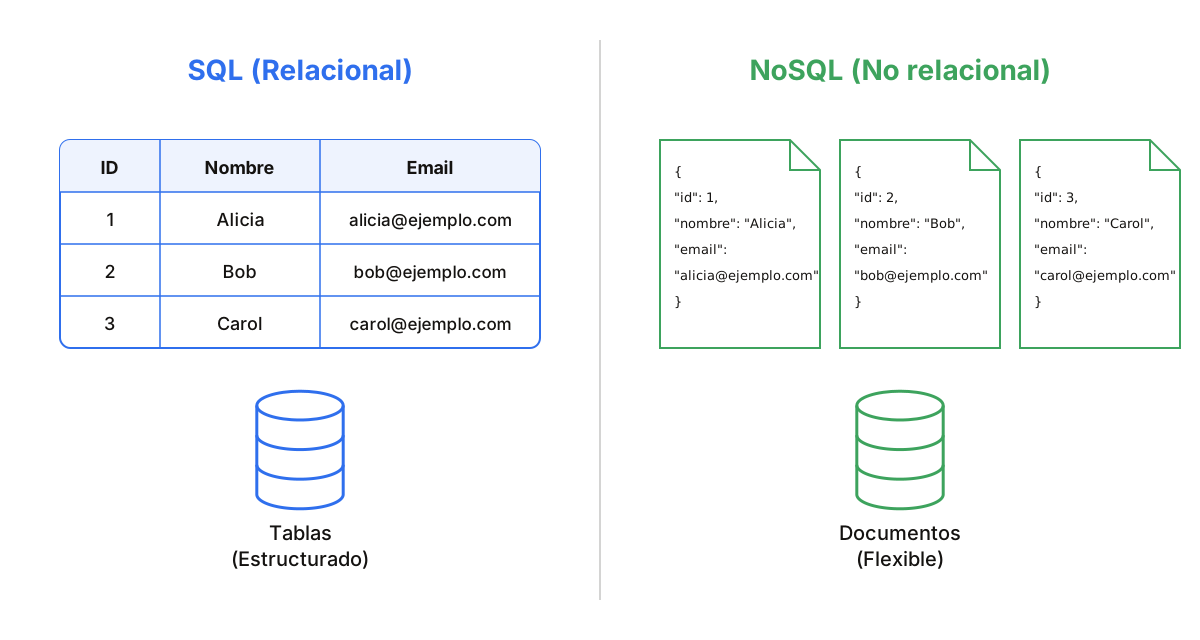
SQL stores data in tables with rows and columns, like a spreadsheet. It is rigid on purpose: every piece of data has its place, which is exactly what you want for users, orders or payments.
NoSQL stores loose documents (usually JSON) that do not need to look alike. It is flexible and scales very well when the data keeps changing shape or there is a ton of it. It is not one or the other: a serious backend uses both and knows when each one fits.
5. Async and reactive code
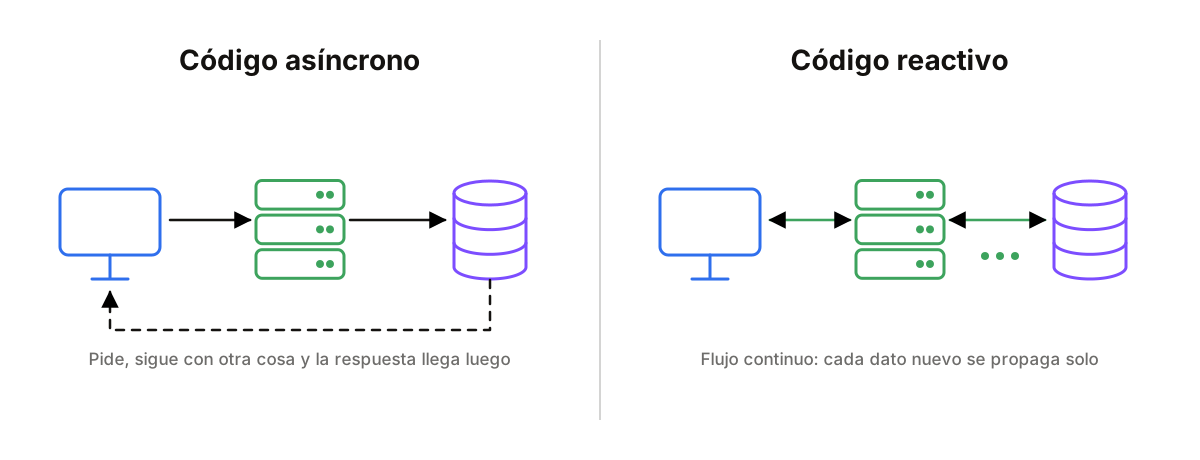
Async means not standing around waiting. You ask the database for something and, while it arrives, you serve other users. It is the difference between a waiter who stands still in front of the kitchen and one who keeps serving tables.
Reactive goes one step further: instead of asking and waiting for an answer, you subscribe to a stream of data and react every time something new arrives. Think of a chat or real-time prices.
6. Event systems with Kafka
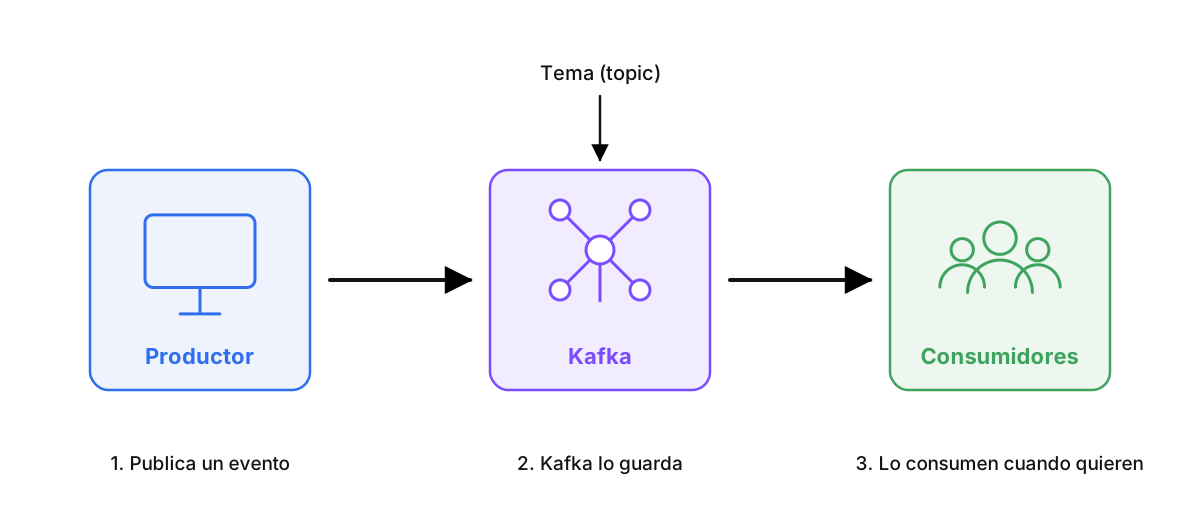
Kafka is a giant notice board. A service publishes an event ("order created") and forgets about it. Kafka keeps it, and every interested service (billing, shipping, emails) reads it whenever it can.
The beauty is that nobody depends on anybody. If the email service goes down, the events sit there waiting for it. That is how you decouple a big system without it falling apart.
7. OWASP + Zero Trust
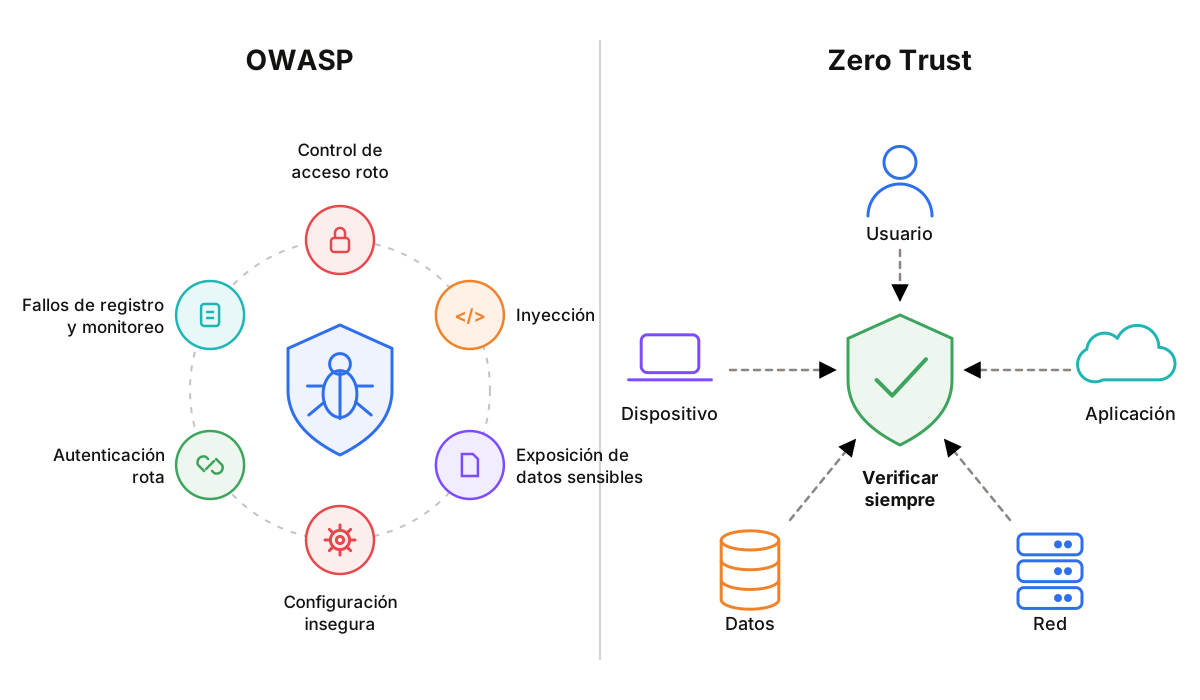
OWASP is the list of the most common security flaws: code injection, broken access control, exposed sensitive data, default configurations. Knowing it means knowing the ten ways someone will try to get in.
Zero Trust is the attitude: trust nobody just because they are "inside". Every request, whether it comes from a user, a device or one of your own services, gets verified every time. "The internal network is safe" is over.
8. Microservices + service meshes
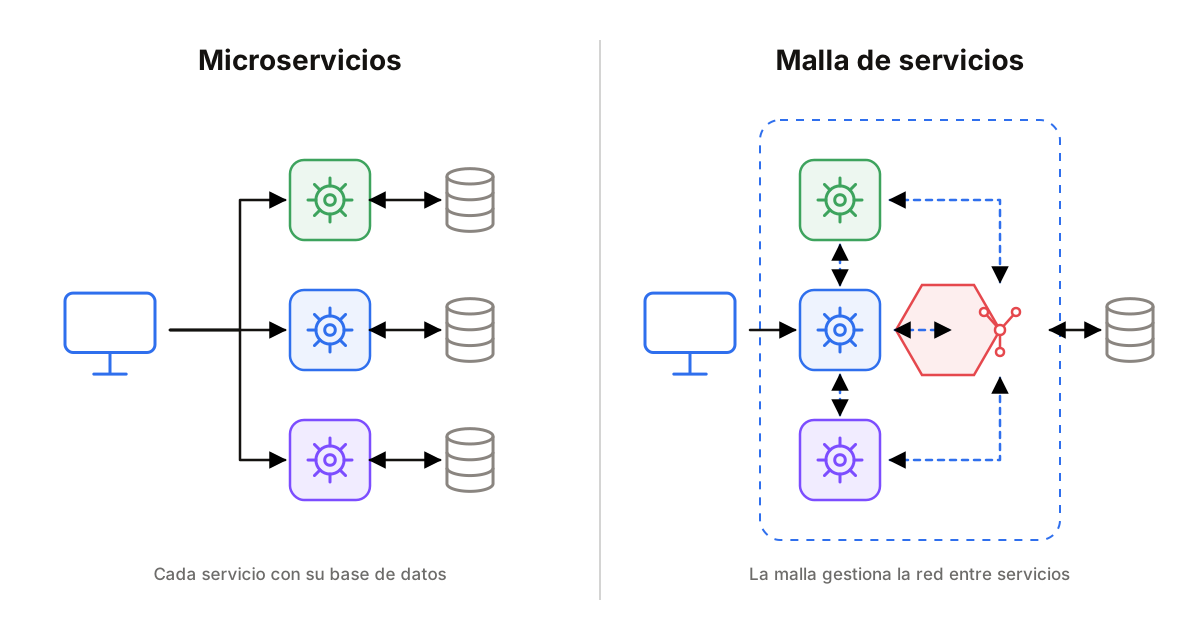
A microservice is a small piece of your application that lives on its own, with its own database, and that you can deploy and scale without touching the rest. Instead of one building, you have a neighbourhood of houses.
The catch is that those houses have to talk to each other, and that gets messy: retries, encryption, rate limits, who may call whom. A service mesh (Istio, Linkerd) handles all of that networking for you, so each service only worries about its job.
9. OpenTelemetry + observability
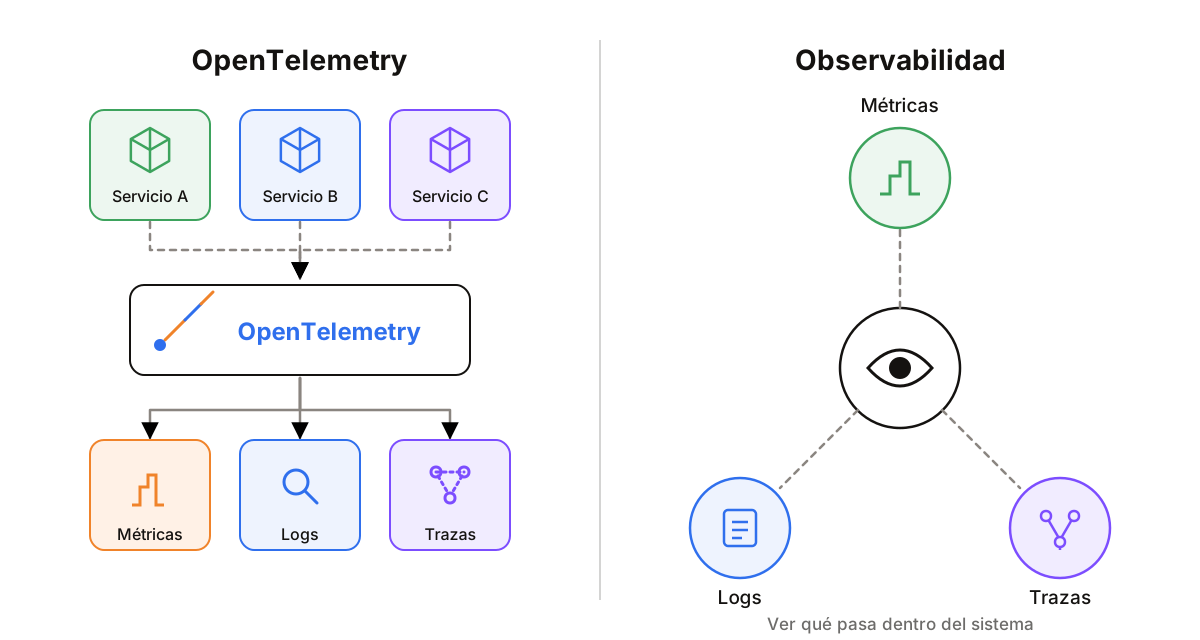
When something breaks in production, you need to see what happened inside. Observability is three things: metrics (numbers), logs (text) and traces (the path one request took through all your services).
OpenTelemetry is the standard for collecting those three from any service and sending them to whatever tool you like (Grafana, Datadog, anything). Instrument once and stop guessing.
Summary
- REST for the outside, gRPC for the inside.
- Passkeys to get in, JWT to move around.
- Redis in front of the database.
- SQL and NoSQL: both, each in its place.
- Async always; reactive when there is a stream.
- Kafka so nobody depends on anybody.
- OWASP to know what gets attacked, Zero Trust to trust nobody.
- Microservices with a mesh, never without one.
- OpenTelemetry to stop guessing.
You do not need to master all nine today. But if you want to be taken seriously as a backend engineer in 2026, you need to know what each one is and when it is used. The rest comes with practice.