9 acronyms you absolutely need to know in 2026
DRY, KISS, YAGNI, SOLID, CRUD, ACID, TDD, MVP and CI/CD: what they stand for and what someone is really saying when they drop one in a meeting.
1. DRY · Don't Repeat Yourself
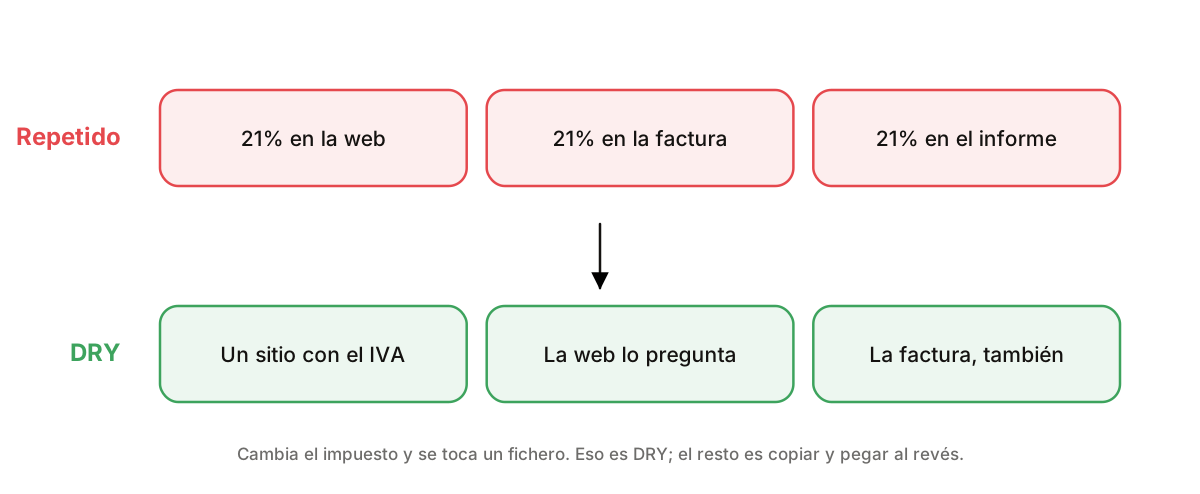
DRY means "don't repeat yourself", and almost everyone reads it as "if you see two identical chunks of code, make a function". Applied that way you end up in the opposite place: functions with seven parameters and a boolean deciding which of the two versions it is doing today.
What DRY actually says is that every business decision should live in exactly one place. If the tax rate changes you want to touch one file, not twelve. Two chunks of code can look very similar and come from different decisions: those do not get merged. Easy rule: knowledge repeats, lines do not.
2. KISS · Keep It Simple, Stupid
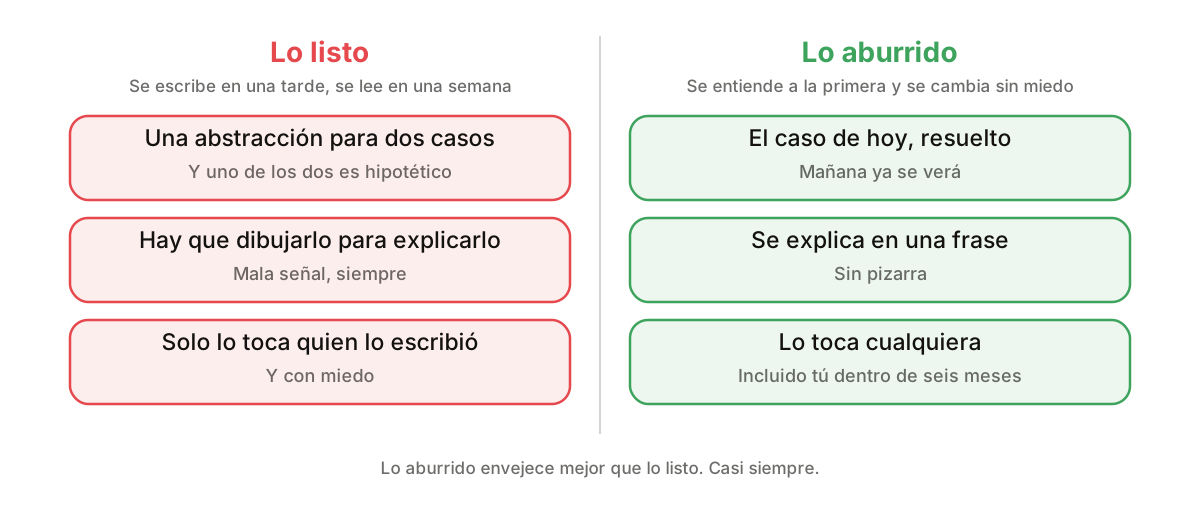
KISS sounds like an insult and deep down it is one. Most of the time complicated code is not demanded by the problem: it is demanded by whoever wrote it wanting to prove something, usually to nobody in particular.
The test is easy: if you need a drawing to explain your solution, there is probably another one that needs no drawing. Choosing the boring option — an array instead of a tree, an if instead of a strategy factory — almost always wins six months later, when the person reading it is you and you remember nothing.
3. YAGNI · You Aren't Gonna Need It
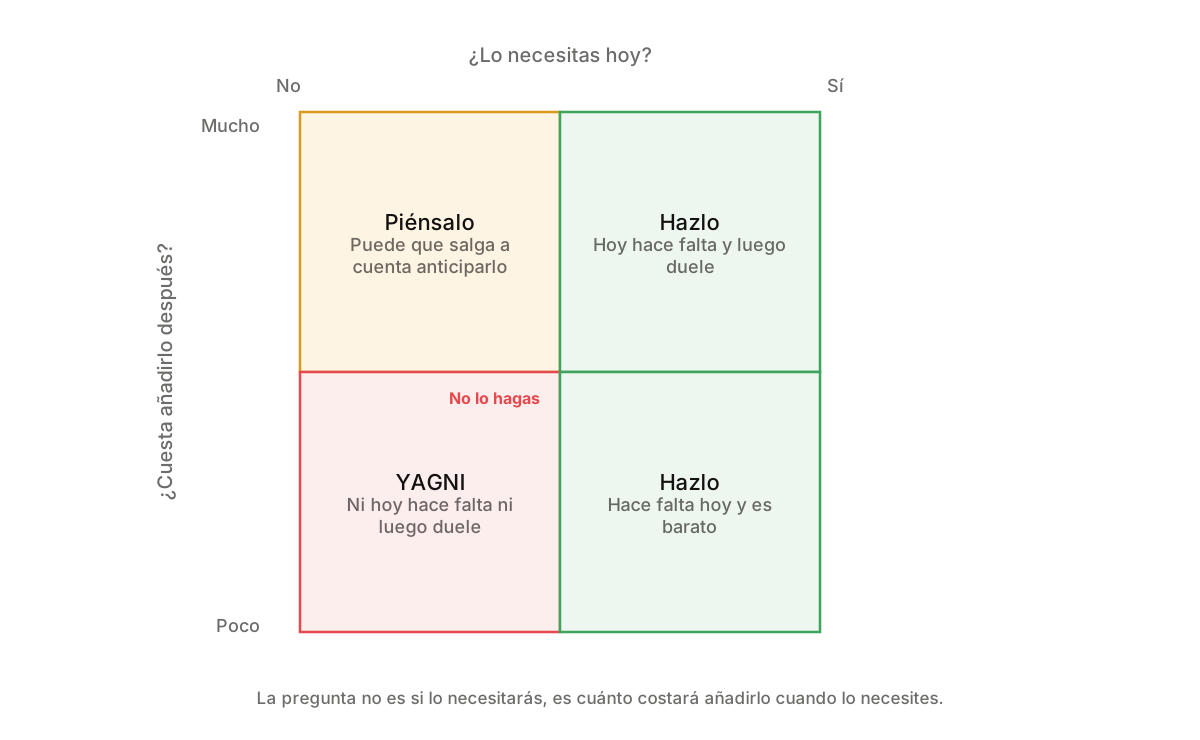
YAGNI is the answer to that little voice saying "let's leave it ready in case we ever need multiple currencies". You almost never do, and the day you do, you find out you left it ready for something else entirely.
Everything you build ahead of time you then maintain, test and drag along for years. The right question is not "will I need it?" but "how much will it cost to add the day I need it?". If the answer is "not much", wait. And the answer is usually "not much".
4. SOLID · the five principles
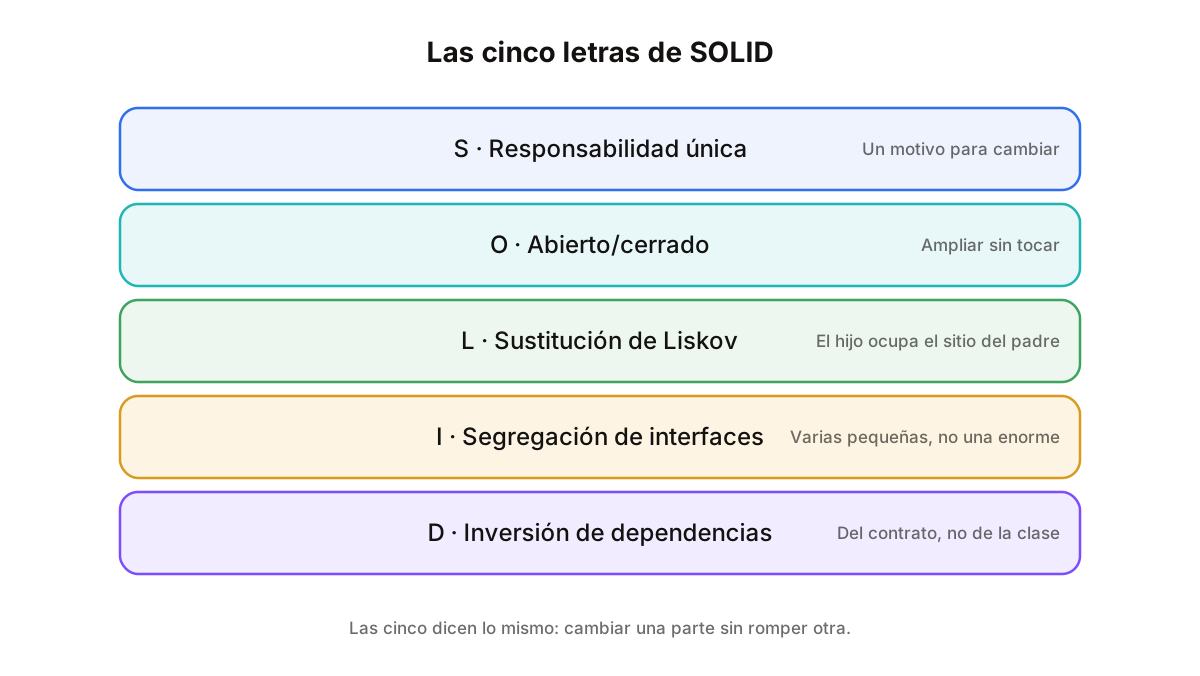
SOLID is five object-oriented design principles, one per letter, and the thing junior interviews ask about most. It is also the thing explained worst: recited from memory and never actually used.
You do not need to recite them, you need to keep what they share: being able to change one part of the system without another falling over. If adding a payment method means opening the orders class, it does not matter how many letters you know.
5. CRUD · Create, Read, Update, Delete
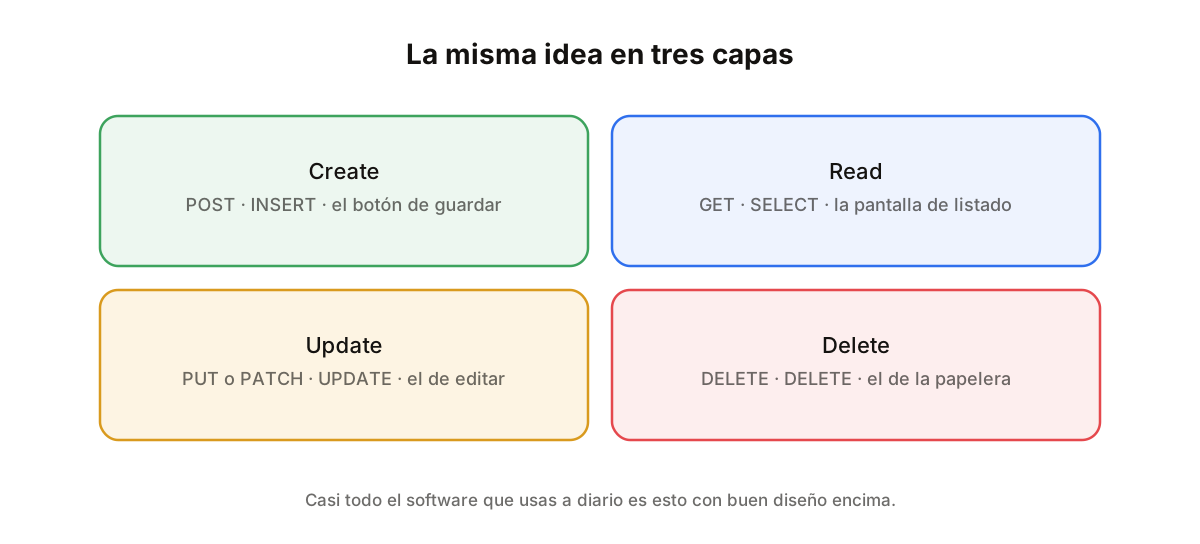
CRUD is the four things you can do to a piece of data: create it, read it, update it and delete it. It sounds like very little and it is almost everything: most of the apps you use daily are a CRUD with good design on top.
The neat part is that all four repeat identically across every layer: the HTTP verb, the SQL statement and the button on screen are the same idea seen from three places. When someone says "this is just a CRUD" they mean there is no interesting logic there, only forms.
6. ACID · the guarantees of a transaction
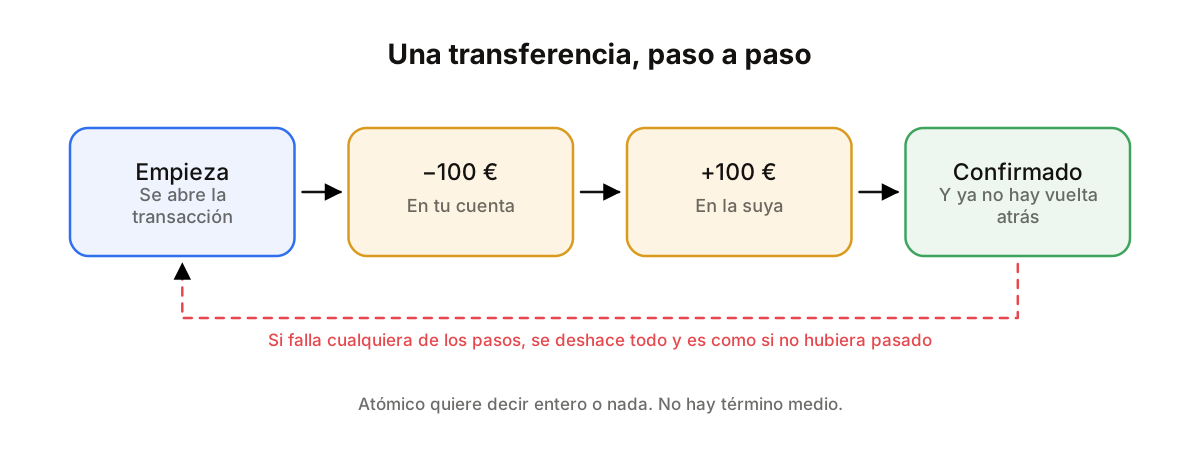
ACID is the four guarantees a serious database gives you: atomicity, consistency, isolation and durability. The one you notice most is the first, and it fits in two words: all or nothing.
Think of a bank transfer: subtract from one account, add to the other. If the server dies right in the middle and there is no atomicity, the money vanishes. With it, both halves are undone and nobody notices. The other three are about the same thing: two operations at once not stepping on each other, and anything confirmed surviving a power cut.
7. TDD · Test Driven Development
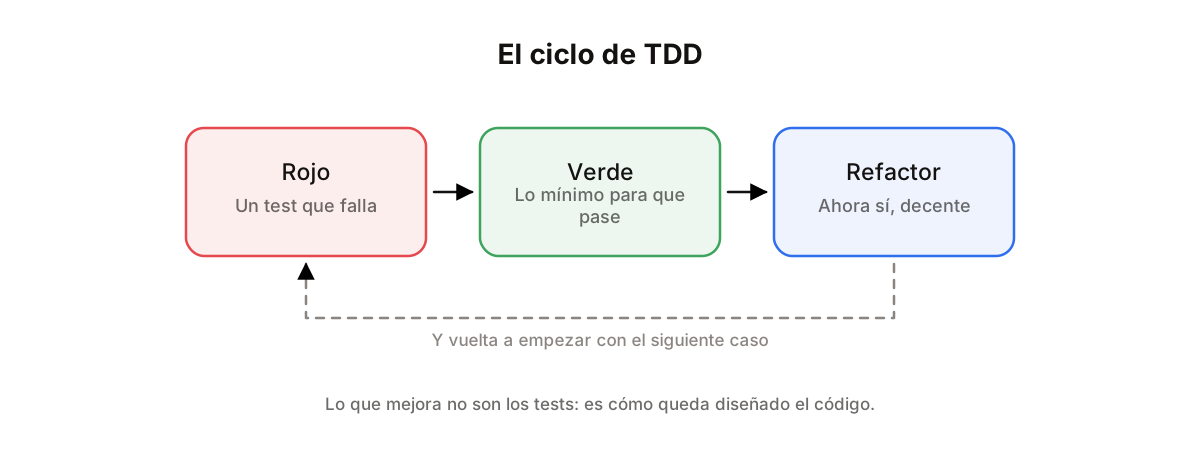
TDD is writing the test before the code, and the order never changes. Red: you write a test for something that does not exist yet and it fails. Green: you write the minimum to make it pass, however ugly. Refactor: now that the safety net is up, you make it decent.
The interesting part of TDD is not the tests, it is what it does to your design. Writing the test first forces you to decide how your code is used before writing it, and it shows in the result. You do not have to do it always either: do it on the part you are scared to touch.
8. MVP · Minimum Viable Product
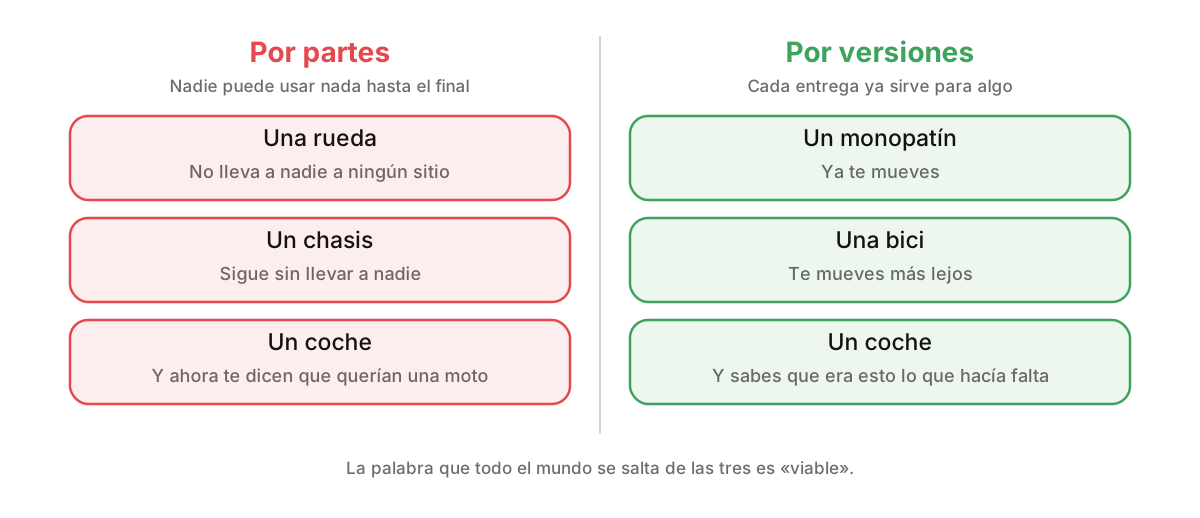
MVP means "minimum viable product", and the word almost everyone skips is "viable". An MVP is not half an application with half the screens unfinished: it is the smallest application that is already genuinely useful to someone.
The classic drawing explains it better than any definition. If you want to end up with a car, do not ship a wheel first, then a chassis, then the car: ship a skateboard, then a bike, then a motorbike. At every step somebody gets moving, and at every step they tell you whether you are going the right way.
9. CI/CD · Continuous integration and delivery
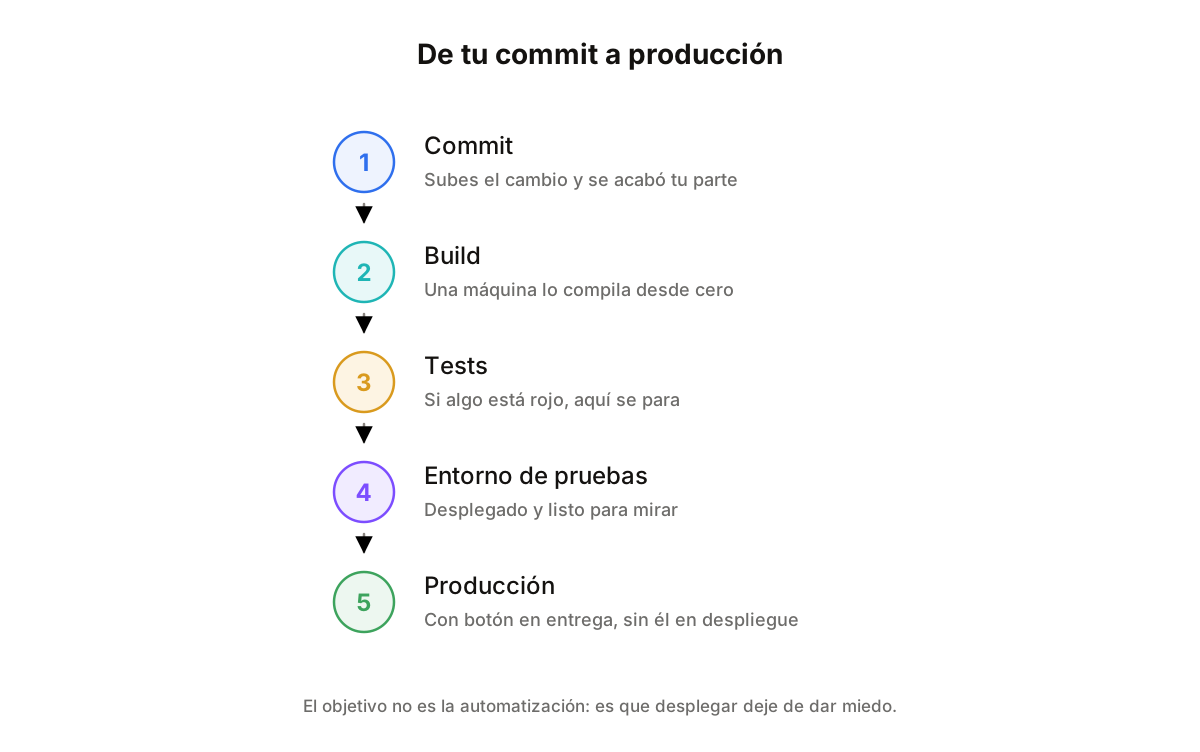
CI is continuous integration: every time you push code, a machine builds it and runs the tests, without waiting for Friday. CD is continuous delivery or deployment: the same thing, but carrying the result all the way to production.
The difference between delivery and deployment is one button. With delivery the package is left ready and a person decides when it ships; with deployment it ships on its own if everything is green. What both buy you is the same: deploying stops being an event and becomes something that happens ten times a day without anyone getting nervous.
Summary
- DRY: knowledge repeats, lines do not.
- KISS: if it needs a drawing to explain, there is another way.
- YAGNI: wait, if adding it later is cheap.
- SOLID: change one part without breaking another.
- CRUD: create, read, update, delete. Almost everything is this.
- ACID: all or nothing.
- TDD: red, green, clean up.
- MVP: the smallest thing that is already useful to someone.
- CI/CD: deploying stops being an event.
None of the nine is interview trivia. They are shortcuts: nine words that save ten minutes of explaining every time someone uses them properly. And if you look closely, they all say the same thing from different angles: do the minimum, keep it in one place, and make it changeable without fear.